


Sep 22, 2026
The Verge Visits Loudoun County, Where America's Data Center Future Arrived Nearly 30 Years Ago
The Verge's Lauren Feiner spent much of this summer in Loudoun County, Virginia, and her report, published September 2, is worth every minute it takes to read.
Loudoun is the county outside Washington where the modern internet was born.
AOL was headquartered there. So was the first major internet exchange point.
After the dot-com boom faded, Loudoun County was left with empty buildings and miles of fiber in the ground. Then, in 2007, a county economic developer named Buddy Rizer set out to fill the empty buildings with data centers.
He succeeded beyond anyone's imagining. Loudoun now has about 250 data centers on a small fraction of its 515 square miles. Rizer is known in the industry as the Godfather of Data Centers.
The money was real. The Verge reports that the county's residential property tax rate fell from about $1.29 to 80 cents per $100 of assessed value since 2008.
Then the report turns to the real costs of the lower tax rate.
The hum. One Ashburn homeowner told The Verge he hears a constant low-frequency drone from nearby data center cooling systems. He has spent $2,600 on two new window inserts, with three more to go, and was quoted at least $15,000 for siding to muffle the sound further.
He noted that airplanes from nearby Dulles at least come and go. The data centers do not.
The lights. A woman living across from a new facility said its lights shine into her bedroom at night unless the bathroom door is fully closed. Her fiancé sleeps in an eye mask.
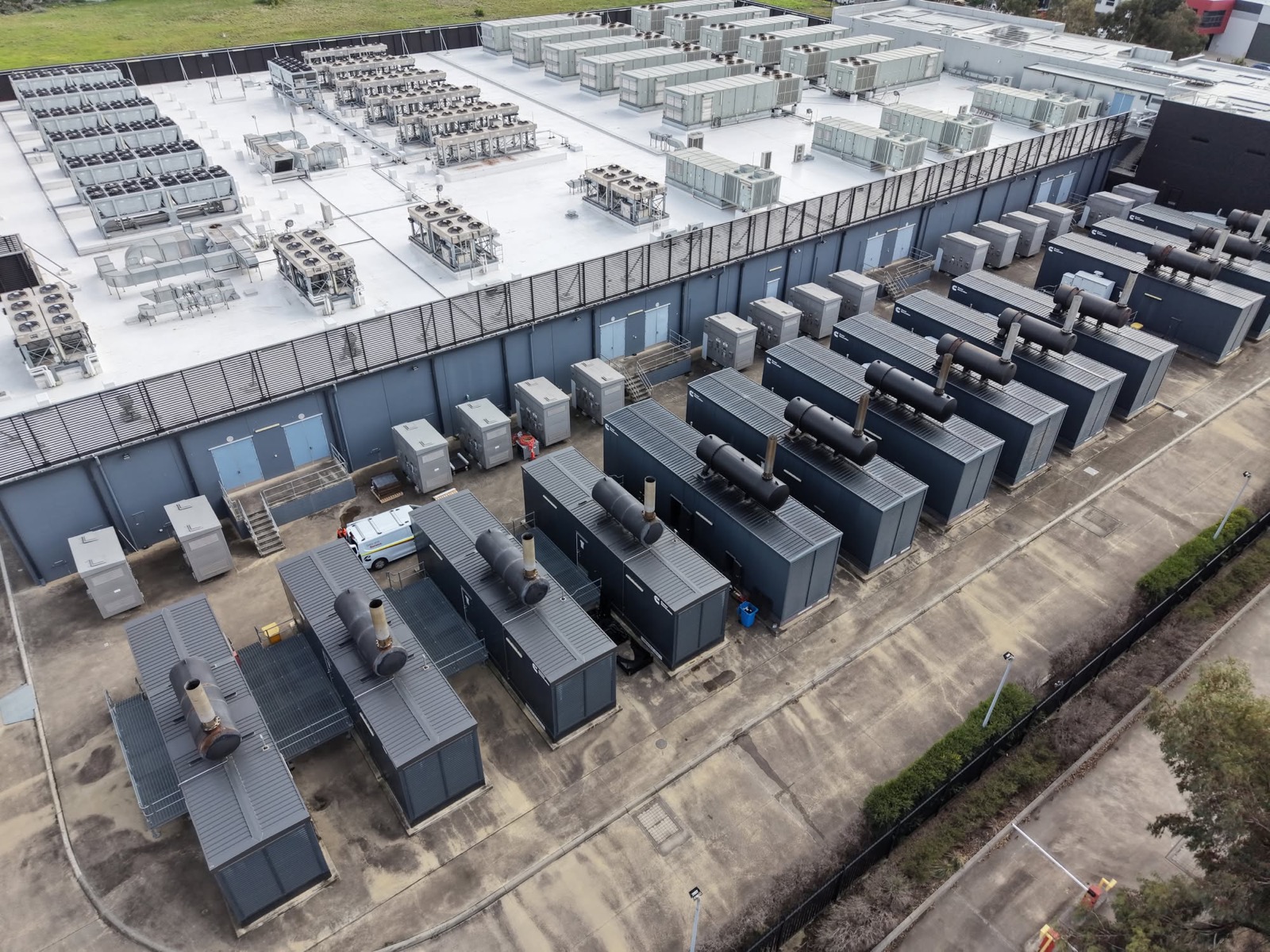
The generators. That same facility could not get onto the electric grid in time, so it runs on its own gas turbines. Neighbors describe a high-pitched squeal on bad days. When its diesel backup generators kicked in during the reporter's visit, she could hear them from blocks away and see the exhaust in the air.
The towers. A mother who raised three generations of her family in a brick house beside a stream got a voicemail last year from the power company. A new transmission line to serve the data centers would cut through her backyard.
The towers would stand 185 feet, taller than the Statue of Liberty. Her appeal is now before the Supreme Court of Virginia. If she loses, she says she will have to leave.
The birds. A longtime runner on the county's best-known trail described cleared trees, towering power lines and constant construction. "You can barely hear the birds anymore."
Here is the part that should stop every reader in Birmingham.
Loudoun's Board of Supervisors chair told a packed town hall in July that the county cannot legally impose a moratorium on data center development without the state's permission.
The zoning that let all of this happen was a single administrative decision in 2000 that classified data centers as office parks, allowing them to be built by right, without public hearings, anywhere an office could go.
Twenty-six years later, the county is moving to undo it.
Even Rizer, who recruited the industry, told The Verge the county no longer wants more data centers. He acknowledged there is a difference between what a company is allowed to build and what is best for the community, and that Loudoun has had to clean some of that up.
What advice do the citizens of Data Center Alley have for the rest of America?
Know what you are getting into. Make sure your ordinances actually apply. Make sure your utility has a plan.
And do not let these facilities, or the infrastructure that powers them, be built close to homes or schools.