Our Electric Bill
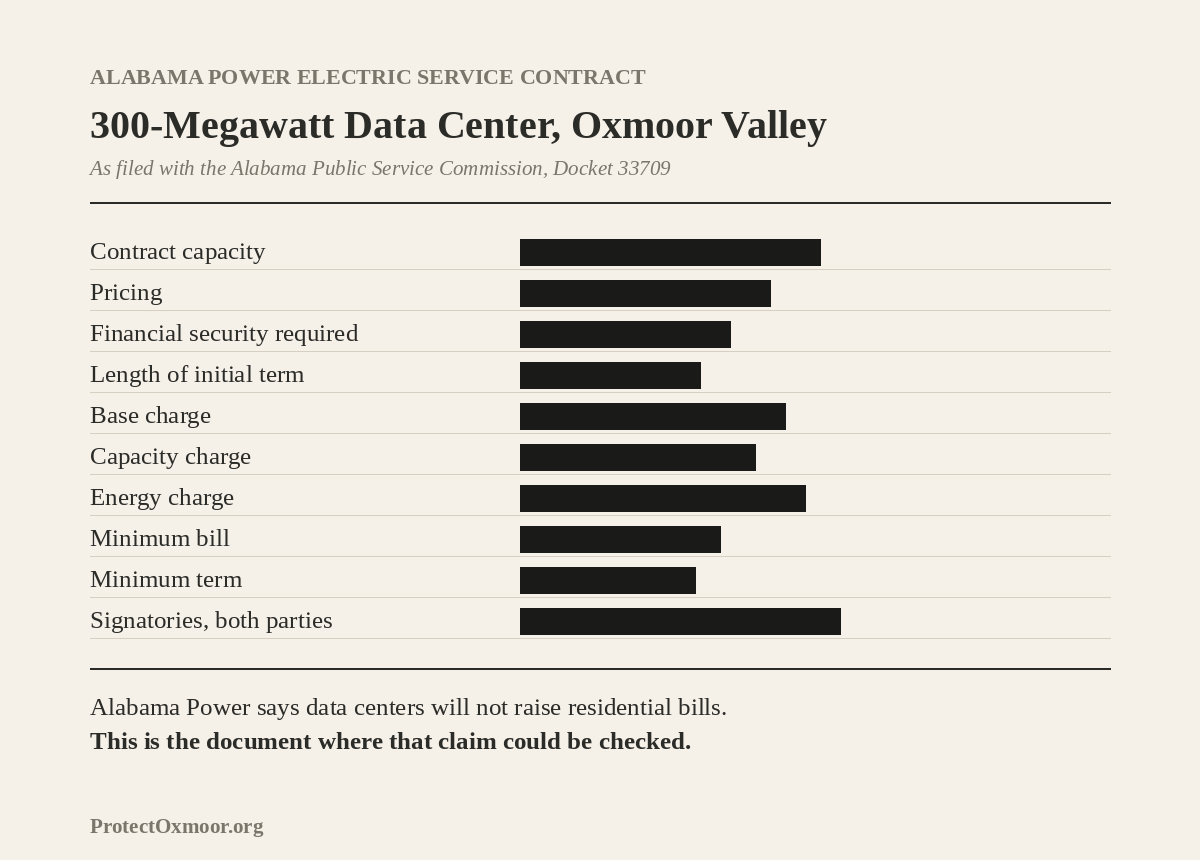
300 Megawatts is more than twice the annual residential electricity demand of the entire City of Birmingham. Enough to power about 200,000 homes.
Nebius wants us to believe that they can add that much to the grid without affecting our rates. Yet in Virginia, where the industry first hit its stride, Bloomberg found wholesale electricity prices have spiked as much as 267 percent in five years in communities near data centers.
Our Water
On May 1, 2026, 100% of Alabama was in a drought. Hyperscale AI factories like the one proposed consume staggering amounts of water to cool the one Billion Btu of heat they produce every single hour.
Nebius claims their "closed-loop" system will use less water, but they refuse to share specific details to back up their claims. Why won't they tell us?
Residents in Newton County, Georgia found out the hard way that developer claims about "closed loops" don't always pan out, after the Meta facility there reportedly began to use 10% of the county's water, leading to a 33% increase in water rates.
Our Tax Dollars
Nebius claims their AI Mega Factory will generate $88 million a year for local schools.
But what they didn't tell you is they'll be getting more in tax abatements than they will pay in taxes.
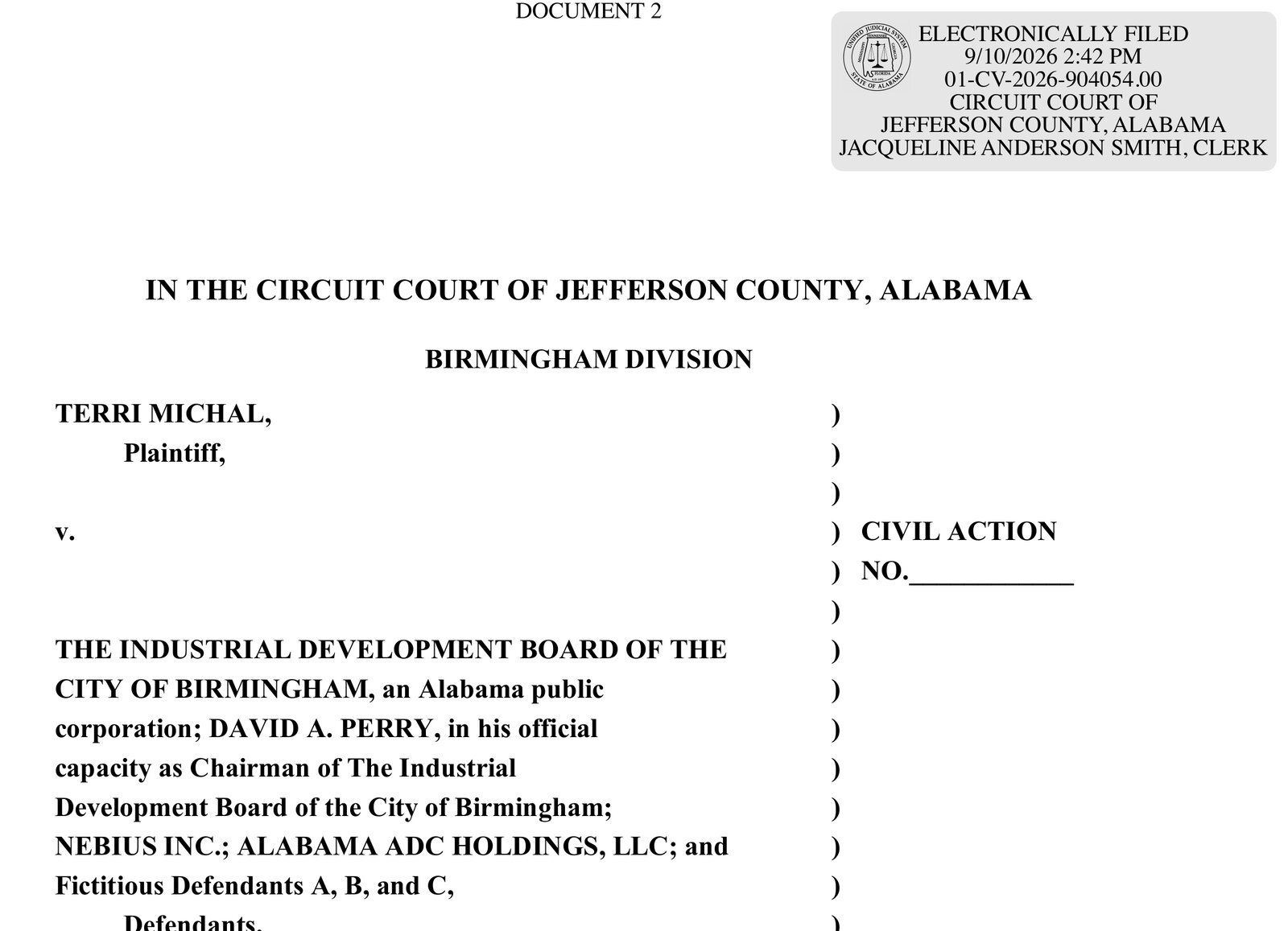
Under a 30-year agreement with Birmingham's Industrial Development Board, Nebius will only pay 35% of the noneducational property taxes they would otherwise owe.
And just 20% of construction-related taxes.
Nebius will get a total of $3.2 billion in tax breaks over the next three decades. That's $661 million more in tax breaks than they will pay in taxes.
But even that figure doesn't count what taxpayers will have to fund in the way of services this kind of industrial-scale facility demands — road wear, emergency response, and infrastructure upgrades.
Any way you cut it, this is a bad deal for Birmingham taxpayers.
Our Economy
Nebius boasts that its AI Mega Factory will create 78 jobs on 79 acres.
That's less than one job per acre — an astonishingly low number.
Almost any other kind of development — the kind actually permitted under the zoning laws — would put hundreds or even thousands of people to work on a site that size.
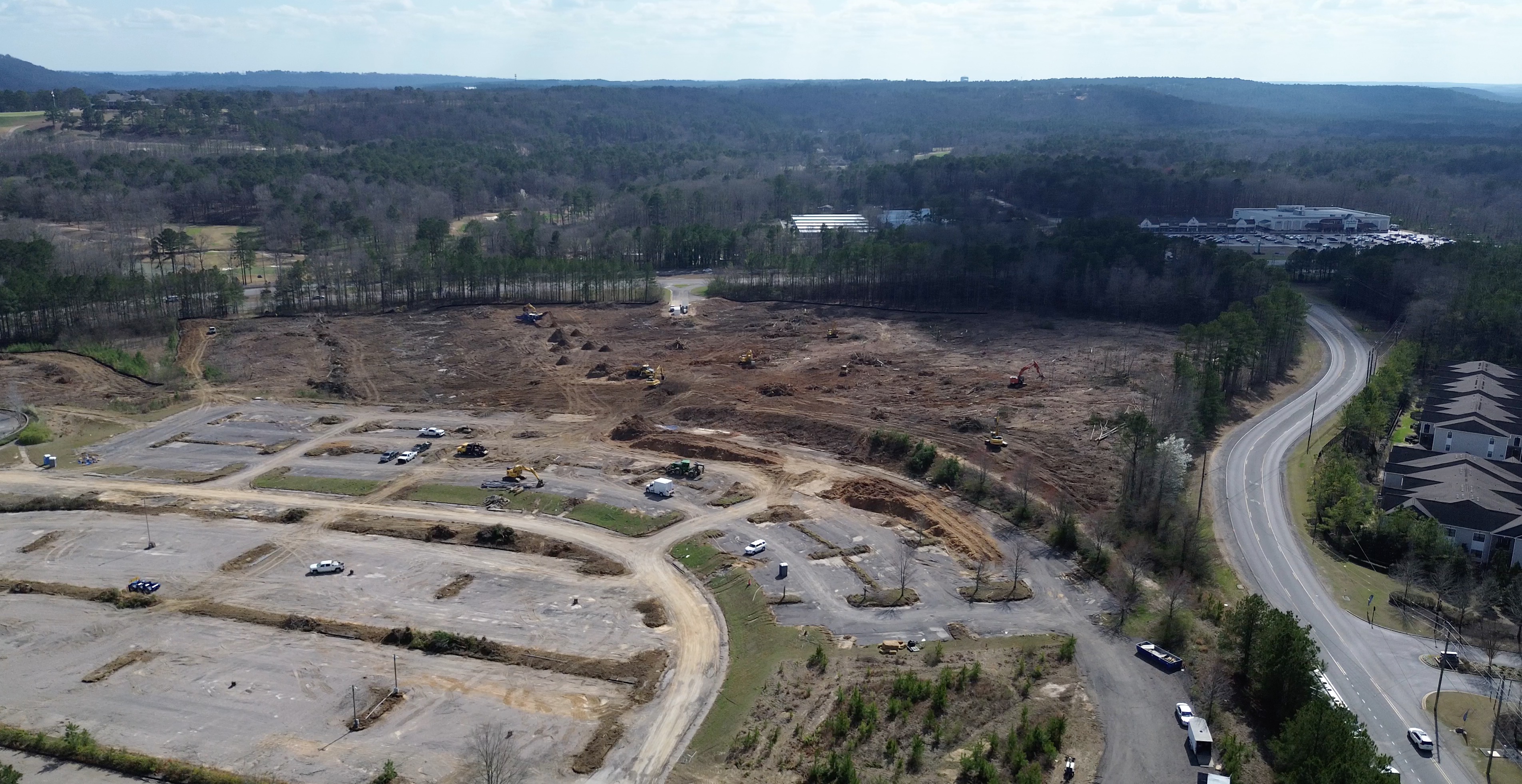
The previous facility, occupying a small fraction of the 79 acres, employed 800 people. More than 10 times the jobs to be had at the AI Mega Factory.
So far, it doesn't sound like a great deal for Birmingham.
But then it gets much worse. Here's the deal Nebius has been handed by the City:
Nebius gets $41 million in tax breaks for every permanent job it creates — 78 jobs, $3.2 billion.
You read that right. A foreign corporation gets an enormous tax break, we (and our children and grandchildren) get stuck with a giant tax bill for all the things they should be paying for over three decades.
The respected watchdog group Good Jobs First says a reasonable incentive caps out at $50,000 a job. Nebius wants more than 800 times that.
When Apple built a data center in North Carolina, the public paid $6.4 million per job and critics called it a fleecing.
Now we are set to give more than six times that.
The good people of Birmingham may not always end up with the bigger end of the stick. But we do not care to be fleeced.
Our Peaceful Neighborhood
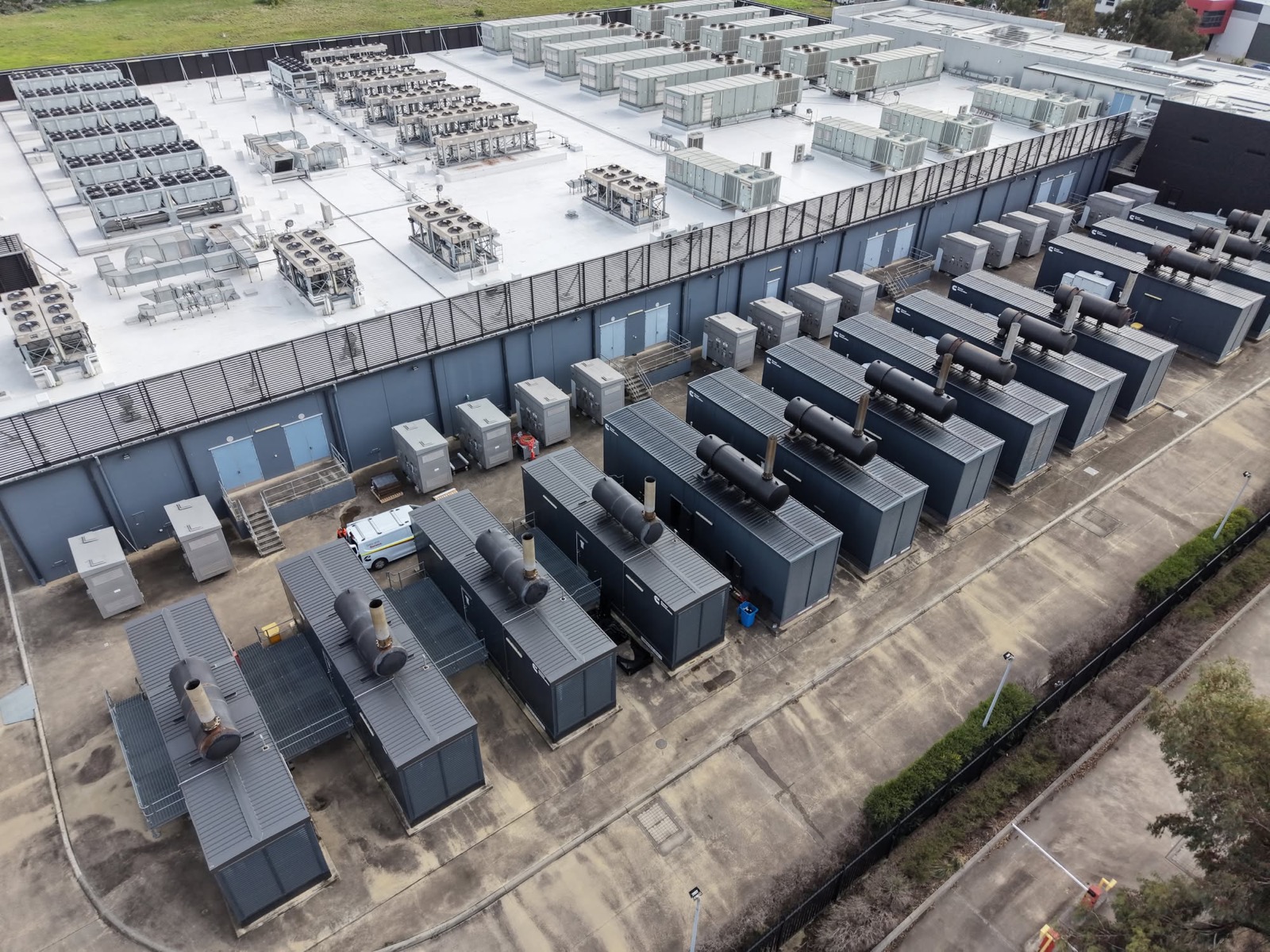
Cooling an AI factory of this size requires industrial chillers and fans that run around the clock, every day of the year.
Communities living near comparable facilities report a constant low-frequency hum that carries for miles, disturbs sleep, and never stops.
What no one has studied is what that sound does in the frequency ranges that dogs and cats can hear — ranges far above human hearing, and central to the GBHS campus next door.
Nebius has not publicly disclosed meaningful noise specifications for BHM01.
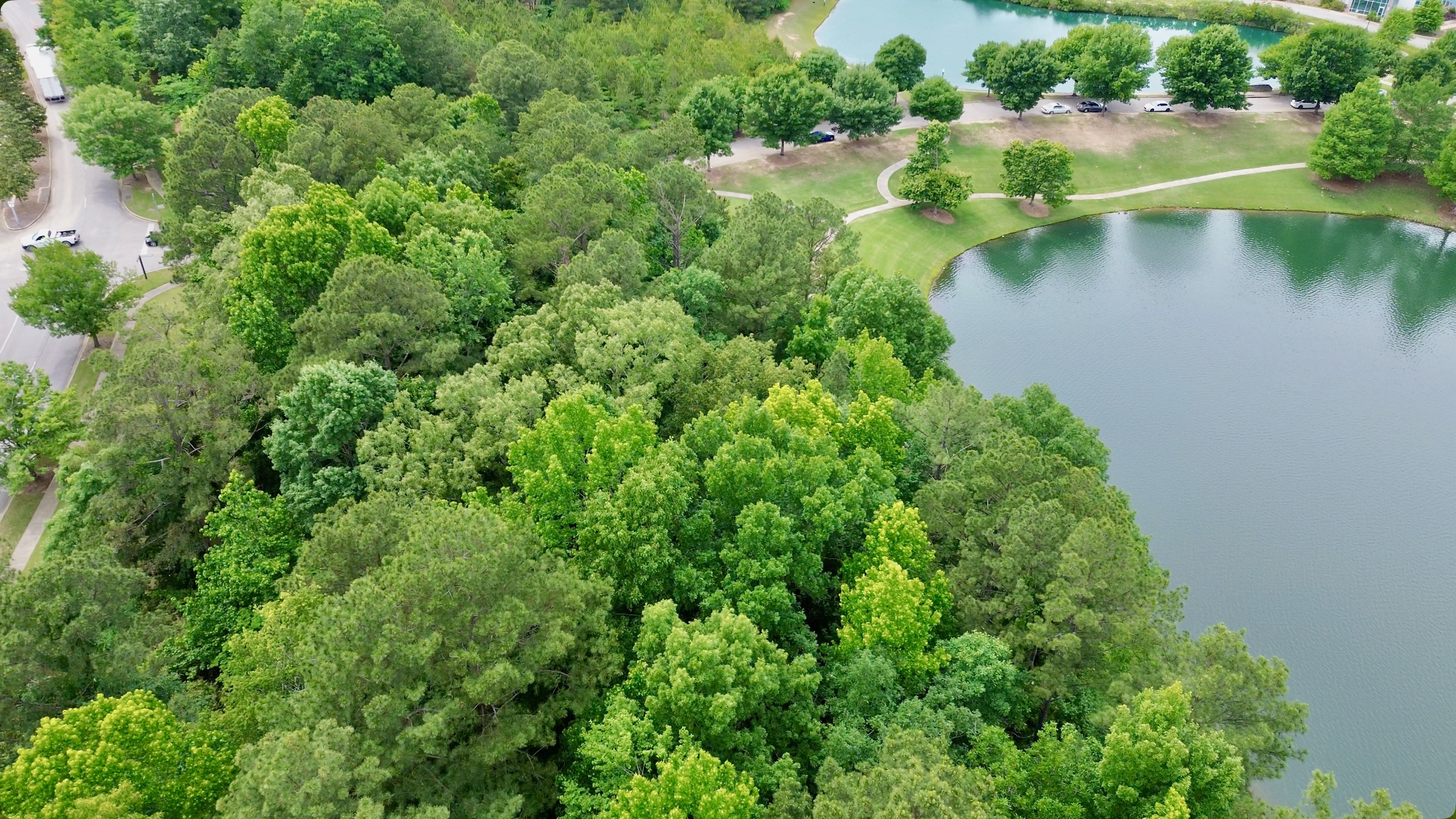
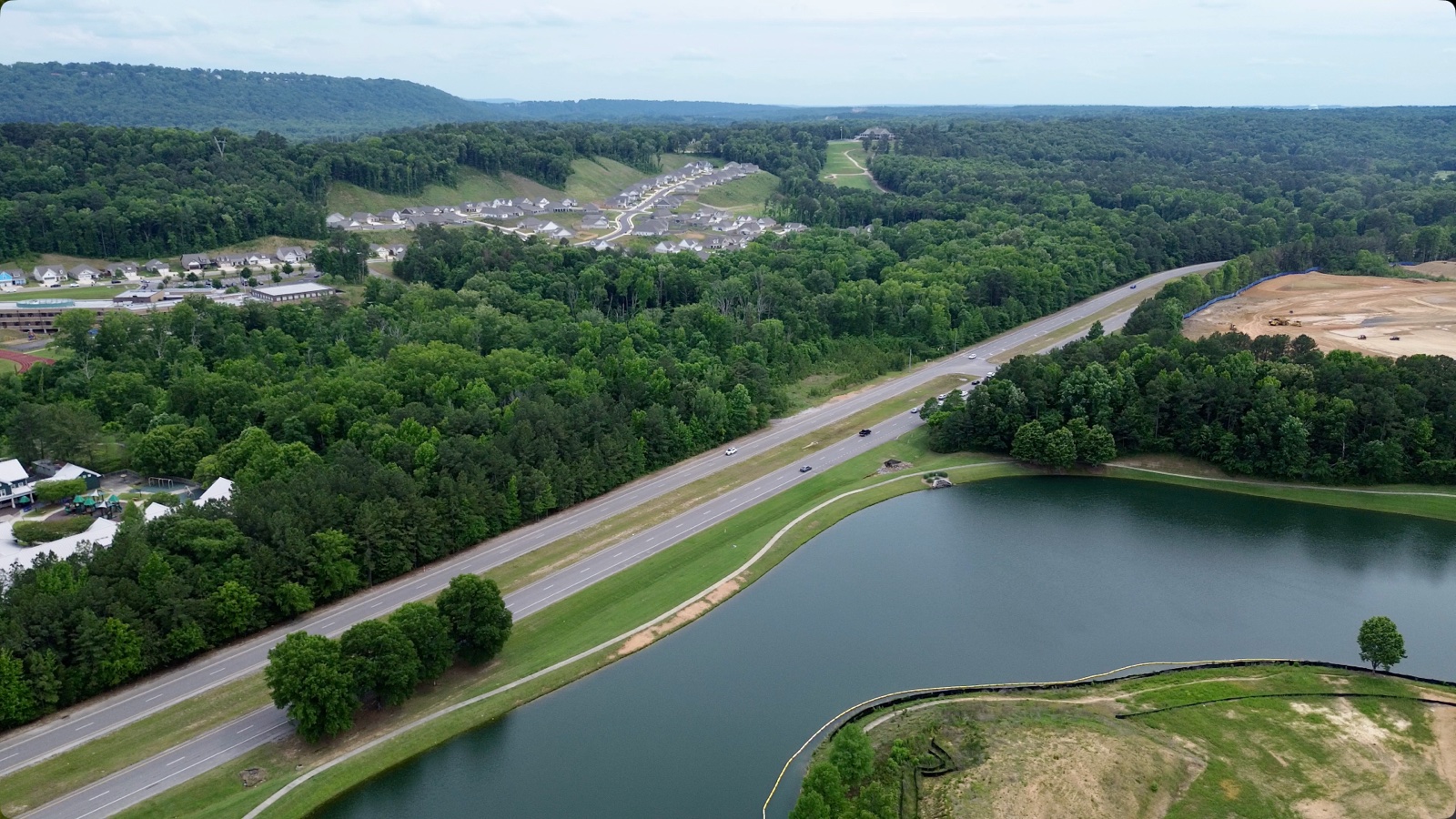
Oxmoor Valley today is quiet enough for dozens of bird species to thrive, for sick and injured animals to recover, and for homeowners to relax.
We need to keep it that way. Sign the petition.
Our Future
At full operation, BHM01 would release roughly one billion Btu of heat every hour. That is the equivalent of running 85,000 home air conditioners at full blast, continuously, in the middle of a residential neighborhood.
You cannot repeal the laws of physics. That heat does not just go away. It alters the local climate around the facility for as long as the facility runs.
A March 2026 study from the University of Cambridge, drawing on 20 years of NASA satellite data across more than 6,000 hyperscale data centers worldwide, found that heat island effects extend up to six miles from these facilities. Surface temperatures in the surrounding areas rose by an average of 3.6 degrees Fahrenheit, with worst-case increases reaching 16 degrees.
Whether the heat comes from the chillers running around the clock or from replacing 79 acres of trees and green space with industrial buildings and asphalt, the outcome is the same.
The area gets hotter. Cooling costs go up. Property values come under pressure. Summer becomes harder on the people, animals, and ecosystems that have to live through it.
Alabama summers are plenty hot enough as it is. We do not need to make them hotter within a six-mile radius of the facility.