


Jun 22, 2026
Birmingham City Council Can’t Have it Both Ways on Data Center Ordinance
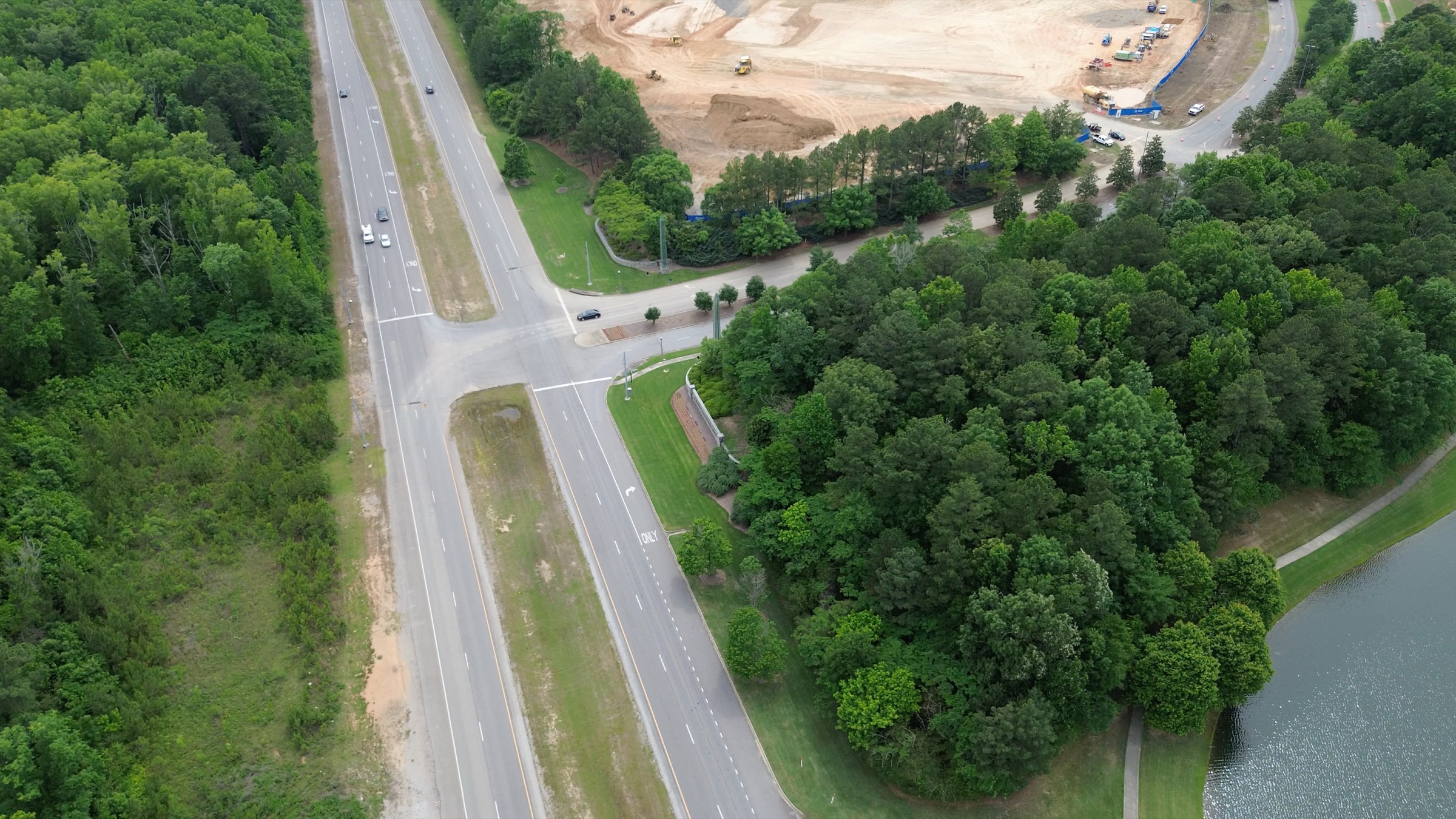
At the podium, Councilor Hunter Williams warned Birmingham residents that if the Council delayed the June 9 vote, the Oxmoor Valley data center project would have “free rein to do whatever they want.” He looked directly to the City Attorney for confirmation. She gave it.
Days later, Councilor Joshua Vasa reassured the public of the exact opposite. In his defense of the vote, he stated that the ordinance “did not approve or deny any specific project,” and that the Oxmoor Valley project was not even governed by the ordinance because its applications predated the moratorium.
Both statements cannot be true.
And that contradiction matters because it reveals something far more troubling than political inconsistency. It suggests that Birmingham residents were pushed into accepting less public protection through fear, urgency, and confusion surrounding a project many people desperately wanted answers about.
For months, residents packed public hearings asking the same questions: How much water will these facilities consume? What will happen to nearby neighborhoods? What protections will exist for noise, environmental impact, energy demand, and emergency infrastructure? Most importantly, residents asked for one basic safeguard — a guaranteed public hearing before hyperscale data centers could move forward.
The Council’s earlier draft ordinance included exactly that: a “special exception” requirement that would force developers to appear publicly, answer questions, and face community scrutiny before approval.
Then, quietly, that protection disappeared.
The revised ordinance stripped away the very process residents had been demanding, and on June 9 the Council rushed the vote forward under the warning that delay would supposedly leave Birmingham defenseless against the Oxmoor Valley project.
But if Councilor Vasa is correct — if the Oxmoor Valley project was already exempt because of previously filed applications — then the emergency presented to residents was never real to begin with. Passing the ordinance that night changed nothing about the status of the very project repeatedly used to justify the rush. The threat remained exactly where it already was.
And if that is true, residents deserve to ask a painful question: Why was fear necessary?
Because this debate was never only about a data center. It was about trust. It was about whether ordinary residents still have a meaningful voice in decisions that could permanently reshape their neighborhoods, infrastructure, environment, and quality of life.
People showed up anyway. Hundreds of Oxmoor Valley and neighboring residents packed City Hall and waited for hours to speak. Mothers, retirees, educators, homeowners, veterans, and working families stood before the Council pleading for caution, transparency, and accountability. Some spoke about noise. Others spoke about environmental concerns. Some spoke about property values, safety, and the strain on already aging infrastructure. Many simply asked the Council not to move faster than the public could understand.
And at the end of their remarks, speaker after speaker asked the Council a simple but deeply personal question: “If an AI data center was coming to your district, and your residents strongly opposed it, would you still vote in favor of it?”
The ordinance still passed.
That reality is what many residents are struggling to reconcile. Because to them, the message felt painfully clear: Birmingham’s leadership was willing to hear residents, but not truly listen to them.
This is what political cover looks like when it is working. Tell the room the frightening version to secure the vote; tell the public the reassuring version afterward to manage the fallout. Point to the project everyone fears to justify urgency, then later insist the ordinance never applied to that project at all.
Residents are left wondering whether fear was intentionally used to move the public toward a predetermined outcome rather than an honest public debate. And when elected officials present two conflicting explanations for the same vote, it becomes difficult for communities to trust that transparency — rather than political expediency — guided the process.
That is why so many residents left City Hall feeling manipulated instead of represented.
People can accept disagreement. What becomes harder to accept is the growing belief that public hearings are performative, community input is symbolic, and decisions are being made long before the first resident ever approaches the microphone.
When residents begin losing faith that their elected officials are protecting neighborhoods over powerful interests, the damage extends far beyond one vote. It erodes public trust itself — the very foundation that local government depends upon to function.
Leadership is not measured by how quickly projects can be moved through City Hall or how effectively public opposition can be managed. Leadership is measured by whether the people most affected by those decisions still believe their elected officials are fighting for them when the vote is over.
Right now, many Birmingham residents do not.
Because after hours of testimony, after hundreds of Oxmoor Valley and neighboring residents pleaded to be heard, after families asked leadership to slow down and protect the communities they were elected to serve, many walked away believing the outcome had already been decided before the first microphone was turned on.
That is the danger Birmingham’s leadership should be paying attention to.
Not simply anger over one ordinance, but the growing belief that residents are expected to absorb the consequences while developers and political leadership move on untouched. The people who will live beside these facilities, hear the noise, carry the environmental burden, worry about infrastructure strain, and watch their neighborhoods change are not the people with the most influence in the room.
And when residents begin believing that developers who do not live in these communities hold more weight than the families who do, government itself begins losing legitimacy in the eyes of the people.
Because trust is not destroyed overnight. It erodes slowly — each time residents feel dismissed, each time protections disappear without explanation, each time leadership says one thing publicly and another politically, and each time communities feel sacrificed in the name of “progress” they never truly agreed to.
And if the Mayor and City Council cannot understand why residents feel betrayed, ignored, and politically abandoned after this process, then they may be far more disconnected from the people they serve than this vote ever revealed.
And once that trust is broken, it becomes far harder to rebuild than any ordinance the Council passed that night.
Especially in a city whose leadership constantly claims to be “for the people,” while residents are left wondering why their voices seem to matter least when powerful developers enter the room.
Because a city cannot continue branding itself as community-centered while ignoring the very communities begging to be protected.
At some point, Birmingham’s leadership will have to decide who this city is actually being governed for — the residents who live here, vote here, raise families here, and bear the consequences of their decisions, or the outside interests who profit from them and leave everyone else to live with the fallout.
Madelyn Greene is president of the Oxmoor Valley Neighborhood Association.